The Role of Civil Surveying in Modern Development
Civil surveying is a vital part of the construction and engineering industry. Every successful construction project begins with accurate measurements and detailed information about the land where development will take place. Civil surveyors are professionals who collect, analyze, and interpret this data to support planning, design, and construction activities.
From residential buildings and commercial complexes to highways and bridges, civil surveyors play an essential role in ensuring projects are completed accurately and efficiently. Understanding what civil surveyors do and the benefits they provide can help highlight their importance in modern infrastructure development.
What Is a Civil Surveyor?
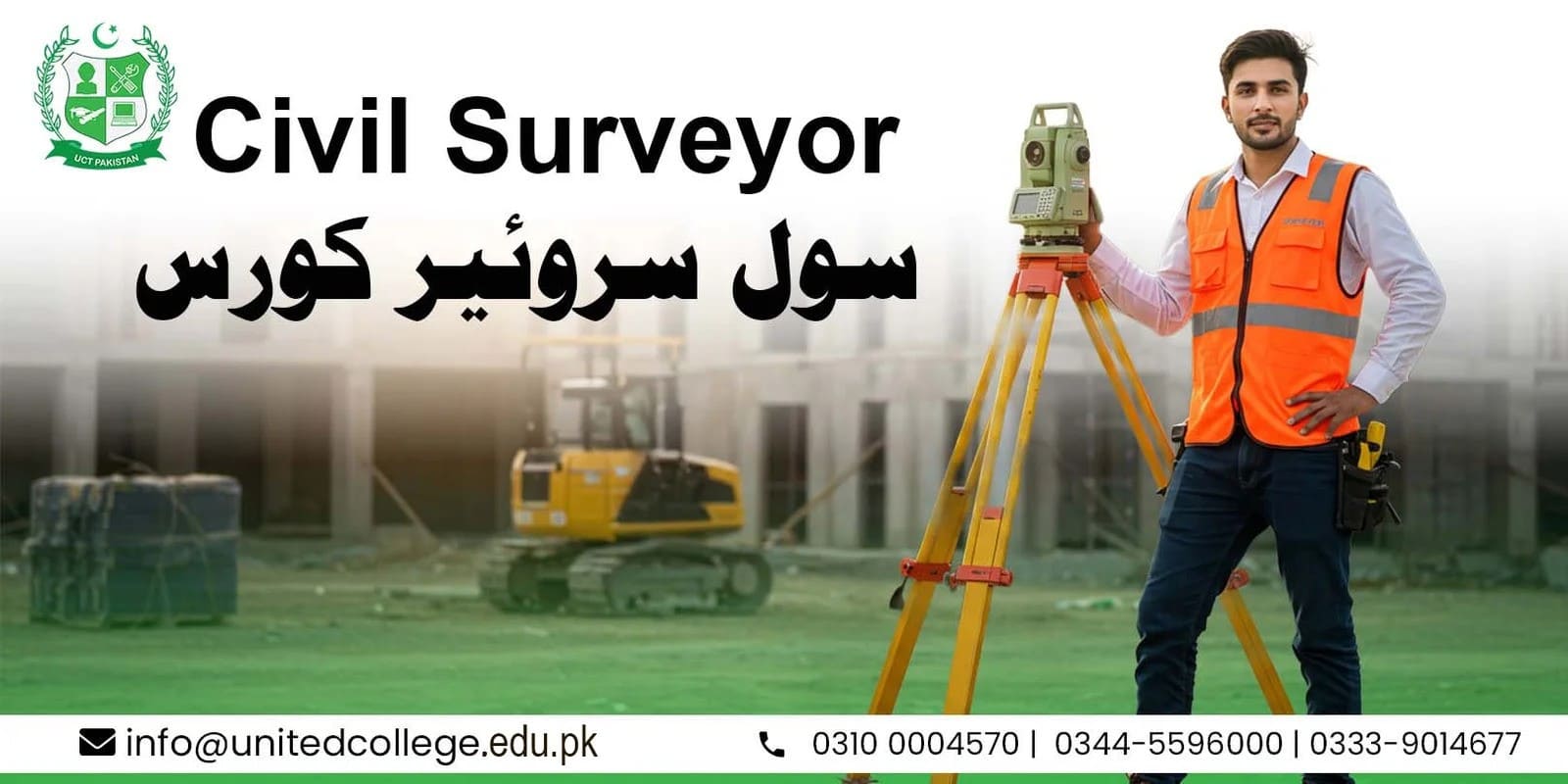
A civil surveyor is a professional responsible for measuring and mapping land areas for construction and engineering projects. They use specialized instruments and modern technology to determine distances, elevations, boundaries, and site conditions.
Surveyors gather critical information that engineers, architects, and contractors use when planning and executing projects. Their work ensures that construction activities follow approved designs and legal requirements.
Without accurate surveying, projects may face design errors, construction delays, budget overruns, and legal disputes.
Why Civil Surveying Is Important?
Civil surveying serves as the foundation for successful construction. Before any building or infrastructure project begins, surveyors assess the site and provide accurate data about the land.
This information helps project teams understand terrain conditions, identify potential challenges, and develop practical construction plans. Surveying reduces uncertainty and supports informed decision-making throughout the project lifecycle.
The accuracy of survey data directly impacts the quality, safety, and efficiency of construction work.
Benefits of Accurate Site Planning
One of the major benefits of civil surveying is improved site planning. Surveyors provide detailed measurements that help engineers design structures suited to the site's characteristics.
Accurate planning minimizes the risk of construction errors and allows project managers to estimate resources, costs, and timelines more effectively. Proper site planning also helps avoid unexpected issues that could disrupt project progress.
As a result, projects are more likely to be completed on schedule and within budget.
Improved Construction Accuracy
Civil surveyors help ensure that structures are built exactly as designed. They establish control points, reference lines, and benchmarks that guide construction teams during project execution.
These measurements help contractors position foundations, walls, roads, and other structures correctly. Continuous verification throughout construction ensures that all work remains aligned with engineering plans.
Improved accuracy reduces the need for costly corrections and enhances overall project quality.
Enhanced Legal Compliance
Property boundaries and land ownership issues can create significant challenges during construction. Civil surveyors help prevent these problems by accurately identifying and marking property limits.
Their work ensures that construction activities remain within legal boundaries and comply with local regulations. This reduces the risk of disputes, fines, and project delays.
Accurate surveying also simplifies the process of obtaining permits and approvals from relevant authorities.
Increased Safety on Construction Sites
Safety is a critical concern in the construction industry. Civil surveyors contribute to safer project environments by identifying potential site hazards before construction begins.
They evaluate terrain conditions, slopes, drainage patterns, and other factors that could affect worker safety or structural stability. This information allows engineers and contractors to implement appropriate safety measures.
Accurate surveys also help ensure that structures are built on stable foundations, reducing long-term risks.
Support for Infrastructure Development
Large infrastructure projects such as roads, bridges, railways, and utility systems depend heavily on civil surveying. Surveyors provide the data needed to determine routes, elevations, and construction requirements.
Their expertise supports efficient project planning and helps ensure that infrastructure meets engineering standards. As urban populations grow and development expands, civil surveyors continue to play a key role in building modern communities.
The Impact of Modern Surveying Technology
Advancements in technology have transformed the surveying profession. Today's civil surveyors use GPS systems, total stations, drones, and digital mapping software to collect and analyze data with exceptional accuracy.
These technologies improve efficiency, reduce human error, and allow surveyors to complete projects more quickly. Modern surveying tools also provide detailed visual representations that support better planning and decision-making.
Technology continues to enhance the value and effectiveness of civil surveying services.
Building a Career in Civil Surveying
The demand for skilled surveyors continues to grow as construction and infrastructure projects increase worldwide. Individuals interested in this field can benefit from professional education and practical training.
The United College of Technology (UCT) is offering a Civil Surveyor training in Rawalpindi, helping students develop the technical knowledge and practical skills required for careers in surveying and construction. Training programs provide valuable experience with surveying equipment, measurement techniques, and industry standards.
The Lasting Value of Civil Surveyors
Civil surveyors are essential contributors to successful construction and infrastructure development. Their expertise supports accurate planning, legal compliance, construction quality, and workplace safety.
By providing reliable data and precise measurements, surveyors help reduce project risks and improve overall efficiency. As technology advances and development projects become more complex, the role of civil surveyors will remain critical in shaping the built environment and supporting sustainable growth.


 icons at the top right corner of the subsection.